
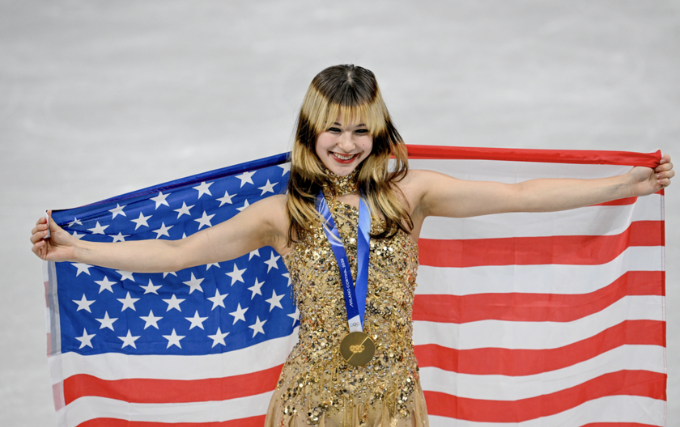

The united states milano cortina 2026 journey builds strong global attention as the Winter Olympics approach. The United States prepares with high intensity, deep talent pools, and advanced training systems. Moreover, the nation targets top positions across multiple winter sports. The upcoming event refers to the 2026 Winter Olympics hosted in Italy across Milan and Cortina d’Ampezzo.
Meanwhile, American athletes aim to improve their previous Winter Games performance. The United States Olympic structure coordinates long-term planning across multiple disciplines. As a result, fans expect a powerful and competitive U.S. delegation.
In addition, winter sports culture in the United States continues to grow rapidly. Skiing, snowboarding, ice hockey, and figure skating programs receive consistent investment. Therefore, the country enters the 2026 Games with strong momentum and wide participation.
Strong Preparation Strategy Across National Programs
The United States builds its Winter Olympics strategy through structured training systems. The United States Olympic & Paralympic Committee leads coordination across sports federations. Moreover, each sport follows tailored performance plans for elite athletes.
Meanwhile, coaches analyze international competition trends to refine techniques. Athletes train in high-altitude centers and advanced indoor facilities. Consequently, preparation focuses on both physical strength and mental resilience.
In addition, sports science teams support recovery, nutrition, and injury prevention. These systems help athletes maintain peak condition throughout the Olympic cycle. Therefore, the United States enters Milano Cortina 2026 with improved readiness.
Qualification Pathways for U.S. Athletes
Athletes secure Olympic spots through national trials and international rankings. However, each sport follows different qualification standards. For example, figure skating depends on championship placements and world rankings.
Meanwhile, snowboarding and skiing rely heavily on World Cup results. Speed skating athletes compete in timed trials and global events. As a result, only top-performing athletes reach the final Olympic roster.
In addition, the United States uses strict selection criteria. The governing bodies evaluate consistency, peak performance, and competition history. Therefore, athletes must deliver strong results across multiple seasons.
Key Sports Where the United States Targets Success
The United States focuses on several high-performance winter sports. Ice hockey remains one of the most followed disciplines. Moreover, both men’s and women’s teams aim for medal contention.
Snowboarding also stands as a major strength. American athletes dominate slopestyle and halfpipe events in recent competitions. Meanwhile, freestyle skiing continues to produce world-class champions.
Figure skating adds artistic excellence to the U.S. medal strategy. Additionally, alpine skiing brings strong contenders in speed and technical events. Consequently, the United States builds a balanced medal portfolio.
Ice Hockey Ambitions and Rivalries
Ice hockey generates major excitement for the United States team. Rivalries with Canada and European teams intensify the competition. Moreover, NHL participation influences roster strength and team chemistry.
Meanwhile, coaching staff studies international play styles to improve strategies. Defensive coordination and fast transitions become key training areas. As a result, the team prepares for high-pressure matches.
In addition, women’s ice hockey continues to grow in global influence. The United States women’s team consistently performs at elite levels. Therefore, both squads represent strong medal expectations.
Snowboarding and Skiing Powerhouse Performance
Snowboarding remains a signature sport for American success. Athletes dominate halfpipe events with technical difficulty and creativity. Moreover, younger athletes bring new tricks and innovative styles.
Meanwhile, freestyle skiing expands medal opportunities across multiple categories. Events like moguls, aerials, and slopestyle showcase strong U.S. depth. Consequently, the United States maintains global leadership in these disciplines.
In addition, alpine skiing delivers consistent podium contenders. Speed events demand precision, courage, and timing. Therefore, American skiers prepare through intense downhill training programs.
Figure Skating Excellence and Artistic Competition
Figure skating highlights the artistic side of the United States Olympic team. Skaters combine technical elements with expressive choreography. Moreover, national championships serve as major selection platforms.
Meanwhile, coaching teams refine jumps, spins, and performance consistency. Athletes train for both short programs and free skate routines. As a result, they aim for precision under Olympic pressure.
In addition, international scoring systems influence preparation strategies. Judges evaluate technical execution and artistic impression. Therefore, skaters focus equally on performance quality and difficulty.
Training Facilities and High-Performance Centers
The United States invests heavily in training infrastructure. Olympic training centers support year-round athlete development. Moreover, altitude simulation facilities improve endurance for winter conditions.
Meanwhile, specialized ice rinks and snow parks replicate competition environments. Athletes practice under conditions similar to Milano Cortina venues. Consequently, adaptation improves performance during actual events.
In addition, sports technology plays a key role in training analysis. Motion tracking and biomechanical tools refine technique. Therefore, athletes gain competitive advantages through data-driven preparation.
Host City Environment and Competition Conditions
The 2026 Winter Olympics takes place across Milan and Cortina d’Ampezzo. Milan offers modern indoor arenas and large-scale venues. Meanwhile, Cortina provides traditional alpine landscapes and snow-based sports settings.
Moreover, weather conditions influence event scheduling and performance. Athletes prepare for varying temperatures and snow quality. As a result, adaptability becomes a critical factor for success.
In addition, travel between venues requires efficient coordination. Teams plan logistics carefully to maintain athlete readiness. Therefore, organization plays a major role in overall performance outcomes.
Medal Expectations for the United States
The United States targets strong medal rankings across multiple sports. Snowboarding and freestyle skiing offer the highest potential. Moreover, ice hockey and figure skating contribute significant medal chances.
Meanwhile, alpine skiing and speed skating add additional opportunities. Coaches analyze past Olympic results to refine medal strategies. Consequently, the United States aims for top-tier overall standings.
In addition, younger athletes increase long-term medal potential. Emerging talent brings fresh energy and competitive depth. Therefore, the United States builds both immediate and future success.
Challenges Facing the U.S. Team
The United States faces strong competition from European and Asian nations. Moreover, climate conditions in Italy may challenge adaptation speed. Athletes must adjust quickly to changing snow conditions.
Meanwhile, injury management remains a constant concern. High-intensity training increases physical strain on athletes. As a result, medical teams prioritize recovery and prevention systems.
In addition, scheduling pressure across events creates mental demands. Athletes must maintain focus through long competition periods. Therefore, psychological preparation becomes equally important.
Technology, Data, and Performance Innovation
Modern Olympic preparation uses advanced technology systems. The United States integrates performance analytics into daily training. Moreover, video analysis helps refine technique and strategy.
Meanwhile, wearable devices track heart rate and movement efficiency. Coaches use this data to adjust training intensity. Consequently, athletes achieve optimized performance levels.
In addition, simulation tools replicate competition environments. These systems help athletes mentally prepare for high-pressure situations. Therefore, technology strengthens both physical and mental readiness.
Legacy and Future Impact of Milano Cortina 2026
The united states milano cortina 2026 campaign influences future Olympic development. Young athletes gain inspiration from elite performances. Moreover, national programs strengthen grassroots participation in winter sports.
Meanwhile, Olympic exposure increases funding and sponsorship opportunities. Sports organizations expand training access across multiple regions. As a result, winter sports continue to grow in popularity.
In addition, long-term athlete development improves through experience gained in Italy. Coaches refine strategies for future global competitions. Therefore, Milano Cortina 2026 shapes the next generation of American champions.
Conclusion
The United States enters the 2026 Winter Olympics with strong ambition, structured preparation, and deep athletic talent. Moreover, the nation builds a balanced strategy across multiple winter sports.
Meanwhile, support from the United States Olympic & Paralympic Committee strengthens training systems and athlete development. As a result, the country targets top performance across medal events.
In addition, innovation, discipline, and experience define the U.S. approach. Therefore, the united states milano cortina 2026 campaign stands as a major chapter in Olympic history


