
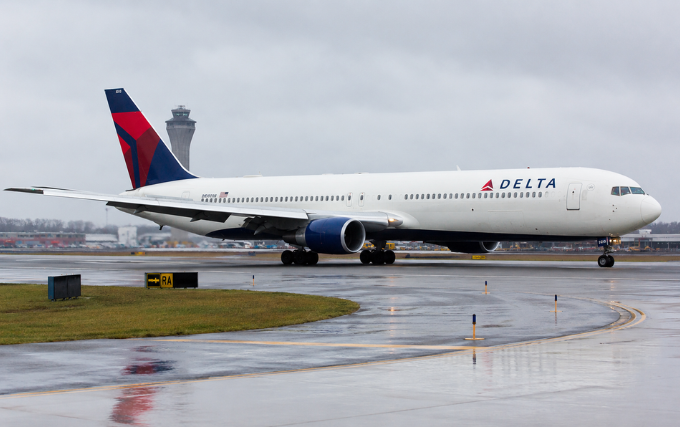

Air travel often runs smoothly, yet unexpected events can change a flight’s path. Delta Flight DL275 became one such case when it diverted to Los Angeles International Airport. The incident drew attention from passengers, aviation watchers, and frequent flyers. People wanted clear answers about what happened and why the flight changed course.
Overview of Delta Flight DL275
Delta Flight DL275 operates under Delta Air Lines, one of the largest airlines in the world. The airline runs many long-haul international routes with strict safety systems.
Flight DL275 typically serves an international route with a wide-body aircraft. These aircraft include advanced monitoring systems and multiple safety backups. The crew trains extensively for irregular situations.
On this particular journey, the flight followed a normal departure process at the start. However, the situation changed mid-flight, which led the crew to adjust the route and land at Los Angeles International Airport.
What Happened During the Flight
Reports indicate that the crew made a controlled decision to change the flight path. The pilots coordinated with air traffic control and redirected the aircraft toward Los Angeles.
This type of decision usually follows safety protocols. Pilots always prioritize landing at the nearest suitable airport when something unusual happens onboard or in the aircraft systems.
In this case, the diversion to LAX allowed the flight crew to access better ground support. The airport offers maintenance teams, emergency services, and international handling facilities.
Meanwhile, passengers remained onboard until landing procedures began. The cabin crew continued normal service while preparing passengers for landing instructions.
Possible Reasons Behind the Diversion
Several factors can lead to a flight diversion. Although exact confirmation depends on airline statements, common reasons include technical alerts, medical situations, or operational concerns.
One likely reason involves technical system warnings. Modern aircraft constantly monitor engines, hydraulics, and cabin pressure. If a system shows irregular readings, pilots act quickly.
Another possible reason includes passenger medical emergencies. Airlines often divert flights when a passenger needs urgent medical attention. Quick access to hospitals becomes the priority.
Weather conditions can also influence route changes. Strong turbulence or storms sometimes force pilots to select a safer landing point.
Fuel management decisions may also play a role. If conditions change, pilots adjust routes to ensure safe fuel levels upon landing.
Although multiple possibilities exist, the final decision always comes from safety-first judgment by the flight crew.
Pilot Decision and Air Traffic Coordination
The flight crew played a central role in managing the situation. Pilots constantly monitor cockpit systems and communicate with ground control.
When they decided to divert, they contacted air traffic controllers immediately. This coordination ensured a safe and organized landing approach.
Controllers then cleared airspace and guided the aircraft toward Los Angeles International Airport. This process helps avoid delays and maintains safety for other flights.
Furthermore, the pilots briefed the cabin crew. This step allowed flight attendants to prepare passengers and maintain calm conditions inside the cabin.
The teamwork between cockpit crew and ground control ensured smooth handling of the situation.
Passenger Experience During the Diversion
Passengers often feel uncertainty when a flight changes direction. However, crew communication helps reduce anxiety.
On Flight DL275, the cabin crew provided updates as soon as information became available. They explained that the aircraft would land in Los Angeles.
Many passengers stayed calm because the crew maintained a professional tone. Clear announcements helped reduce confusion.
Some travelers may have felt concern, especially those with tight connections. However, airlines typically assist with rebooking and onward travel after diversions.
After landing, passengers followed standard disembarkation procedures. Ground staff at LAX then supported them with further travel arrangements.
Why Los Angeles International Airport Was Chosen
Los Angeles International Airport (LAX) serves as a major hub on the U.S. West Coast. It offers strong infrastructure for international and domestic flights.
The airport provides full emergency services, maintenance facilities, and customs support. These features make it a preferred diversion airport for long-haul flights.
In addition, LAX handles wide-body aircraft regularly. This capability ensures smooth landing and technical checks when needed.
Proximity also matters. Pilots choose the nearest safe airport with appropriate facilities. LAX often meets these requirements for transpacific or long-range routes.
Airline Response After Landing
After landing, Delta Air Lines typically follows standard procedures. These include aircraft inspection, passenger support, and operational reporting.
Maintenance teams inspect the aircraft thoroughly. They check systems to identify any irregularities that may have triggered the diversion.
Customer service teams assist passengers with rebooking or hotel arrangements if delays occur. Airlines aim to minimize disruption after unexpected changes.
Additionally, airline operations teams review flight data. They analyze cockpit recordings, system alerts, and communication logs.
This process ensures transparency and helps prevent similar situations in the future.
Safety Systems in Modern Aviation
Modern aviation prioritizes safety above all else. Aircraft used by major airlines include multiple layers of protection.
Pilots train for thousands of hours to handle unexpected events. They also follow strict protocols for diversion decisions.
Aircraft systems monitor engine performance, cabin pressure, and navigation constantly. These systems alert pilots within seconds if something changes.
Air traffic control also supports flight safety. Controllers guide aircraft through crowded airspace and coordinate emergency landings.
Together, these systems form a strong safety network. The diversion of Flight DL275 shows how this network works in real time.
Impact on Flight Schedule and Connections
A diversion often affects the aircraft’s schedule. Flight DL275 likely experienced delays after landing at LAX.
Passengers with connecting flights may have faced changes. Airlines usually rebook missed connections automatically.
Crew scheduling can also shift after such events. Airlines manage crew duty hours carefully to maintain safety compliance.
Aircraft turnaround time may increase as maintenance teams inspect the plane. This ensures the aircraft returns to service safely.
Although delays can frustrate travelers, safety decisions always take priority.
Communication and Transparency
Airlines maintain communication channels during disruptions. Updates may appear through announcements, mobile apps, or airport staff.
Clear communication helps passengers plan next steps. It also reduces confusion during unexpected situations.
Delta Air Lines uses customer support systems to assist travelers after irregular operations. These systems handle rebooking, refunds, and travel guidance.
Transparency builds trust between airlines and passengers. It also helps manage expectations during delays or diversions.
Lessons from the Incident
This event highlights how quickly flight operations can change. Even routine flights may adjust routes for safety reasons.
Pilots act immediately when they detect unusual conditions. Their decisions rely on training, data, and communication.
Passengers benefit from staying calm and following crew instructions. Cabin staff guide travelers through each step during disruptions.
Airports like LAX play a crucial role in handling diverted flights. Their infrastructure supports safe landings and passenger care.
Most importantly, aviation systems work together to protect lives. Every diversion reflects a safety-first approach rather than a failure.
Conclusion
Delta Flight DL275’s diversion to Los Angeles International Airport shows how modern aviation handles unexpected situations. The crew acted quickly, coordinated with air traffic control, and ensured a safe landing.
Although passengers experienced a change in route, the decision prioritized safety above all else. Technical systems, trained pilots, and airport infrastructure all contributed to a controlled outcome.
Events like this remind travelers that diversions serve a protective purpose. Airlines design every procedure to reduce risk and ensure passenger safety.
In the end, Flight DL275 demonstrated how the aviation system responds effectively when conditions demand immediate action.


