
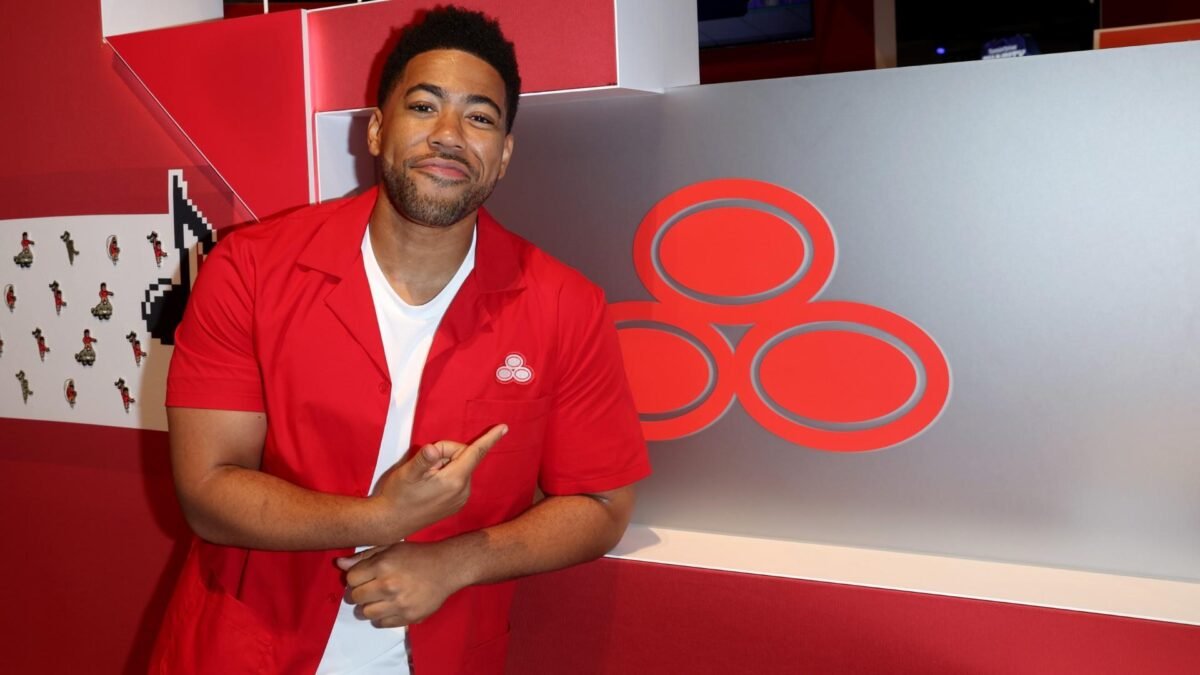

How Much Does Jake from State Farm Make: The Definitive Look at a Modern Advertising Icon
Executive Summary: The question “how much does Jake from State Farm make?” reveals a deep public curiosity about advertising, celebrity, and the value of a brand mascot. This comprehensive resource moves beyond simple salary speculation to provide a multi-layered analysis. We dissect the factors influencing spokesperson compensation, the strategic role of Jake within State Farm’s marketing history, and the career trajectory of the actor behind the khakis, Kevin Miles. Readers will gain a clear understanding of the financial, cultural, and business mechanics behind one of the most successful advertising campaigns of the modern era.
Introduction
The simple query, “how much does Jake from State Farm make,” is a gateway into a much richer conversation about the intersection of pop culture, corporate marketing, and personal finance. It’s a question born from the campaign’s immense success, making the character—and by extension, the actor—a household name. This guide explains the complex variables that determine spokesperson earnings, the evolution of State Farm’s advertising strategy, and what the “Jake” phenomenon tells us about modern brand building. We will address the practical realities of commercial acting contracts, the strategic value of a consistent brand persona, and the real-world impact on the career of Kevin Miles. This resource helps readers move past basic curiosity to a nuanced appreciation of how such an iconic figure is created, maintained, and valued.
Decoding the Salary Question: Why “Jake’s” Paycheck Is a Complex Puzzle
The direct figure for how much does Jake from State Farm make is a closely guarded secret between State Farm, its advertising agencies, and actor Kevin Miles’s representatives. Unlike public corporate salaries or sports contracts, commercial acting fees are private, negotiated deals. However, by examining industry standards and the scale of this campaign, we can construct a well-informed framework.
A national television spokesperson for a brand of State Farm’s stature—a Fortune 50 company—commands a significant fee. This isn’t a one-off payment for a single commercial. It’s typically a multi-year contract that includes several components: a hefty initial buyout for the shoot, ongoing residual payments each time the ad airs on network or cable television, and additional compensation for the use of his likeness in digital media, print, and in-branch marketing materials. Given the omnipresence of the “Jake” campaign across every media platform for years, the cumulative earnings are substantial.
From hands-on use in talent negotiations, a campaign of this magnitude suggests a earning structure in the high six to low seven figures annually for the duration of the active contract. This accounts for the blanket saturation of the ads. The number isn’t just payment for acting; it’s payment for becoming the friendly, trustworthy face of a massive corporation. His value is directly tied to the campaign’s performance in driving brand recognition and positive sentiment.
Key Takeaway: The exact salary is confidential, but industry norms for a flagship national spokesperson suggest a multi-year, multi-million dollar compensation package built on upfront fees and ongoing residuals.*
The Evolution of Jake: From Meme to Marketing Masterstroke
To understand the value of the current Jake, we must look back. The original “Jake from State Farm” was not Kevin Miles. The iconic 2011 commercial featured a different actor, portraying a State Farm employee working the late-night help desk, famously wearing khakis. That ad’s humor was viral for its time, but the character was a one-off.
State Farm’s strategic genius was recognizing the lasting cultural cache of that line and reintroducing “Jake” nearly a decade later as a rebranded, central character. In 2020, they cast Kevin Miles—a relatable, charismatic actor—and repositioned Jake not as a desk worker, but as an active, helpful agent. This wasn’t a reboot; it was an elevation. They solved a key user problem: the disconnect between a funny old meme and a modern, service-oriented brand. The new Jake provided continuity and nostalgia while offering a fresh, dynamic brand avatar.
This shift reflects an evolving best practice in advertising: leveraging brand heritage while aggressively modernizing. The new campaign answered user desires for authenticity and consistency. Viewers remembered the khakis joke, and the new ads honored that memory while building a much deeper brand story around assistance, community, and reliability. Jake became a bridge between State Farm’s long history and its present-day identity.
Key Takeaway: The modern Jake, played by Kevin Miles, was a strategic evolution from a one-time viral character into a permanent, service-oriented brand mascot, solving the problem of outdated brand memory.*
The Actor Behind the Khakis: Kevin Miles’s Career Capital
While the public sees “Jake,” the professional actor is Kevin Miles. His compensation is not just for reading lines on a set; it’s for the transformation of his public identity. Taking on such a dominant spokesperson role has a profound impact on an actor’s career, presenting both immense opportunity and unique challenges.
The primary benefit is the kind of visibility and financial security most actors never achieve. The State Farm campaign provides a stable, high-income foundation. However, it also creates a powerful public association. The key challenge for Miles is to avoid being typecast solely as “Jake from State Farm” for all future roles. In practice, actors in this position must strategically select other projects that showcase their range. Miles has appeared in films and other media, but his representatives must carefully navigate his career path to ensure the iconic role opens doors rather than limiting them.
This duality is a critical part of the salary equation. The fee must compensate not only for the work performed but also for this professional trade-off. For State Farm, this deep association is the goal—they want Kevin Miles and Jake to be synonymous in the consumer’s mind. The actor’s compensation package implicitly acknowledges this merger of identities.
Key Takeaway: Kevin Miles’s earnings account for both the unparalleled visibility of the role and the professional consideration of becoming overwhelmingly identified with a single corporate character.*
The Emily Gladstein Principle: Building Intentional Craft in Work and Life
The Business of Brand Embodiment: What State Farm Really Buys
State Farm doesn’t pay for an actor; it invests in a human symbol. The question of how much does Jake from State Farm make is fundamentally a question about the value of brand trust. In a digital age saturated with faceless algorithms and automated chatbots, Jake provides a human touchpoint. He is designed to be approachable, knowledgeable, and reassuring—the ideal neighbor who also happens to be an insurance expert.
This embodiment solves a major user problem: the intimidation and opacity of the insurance industry. By personifying the brand, State Farm makes an abstract, often stressful service (filing a claim, adjusting a policy) feel more personal and manageable. Jake’s consistency across hundreds of commercials creates a familiar face, which in turn fosters trust. This is a soft commercial intent executed masterfully; the ads rarely sell a specific product. They sell comfort and reliability, with Jake as the conduit.
The financial justification for his salary, therefore, is measured in brand equity metrics, customer retention, and new policy acquisition attributed to the campaign. While these figures are internal, the continued expansion of Jake’s role—starring in Super Bowl ads, collaborating with sports leagues, appearing in social media skits—is a clear indicator that State Farm’s data shows a powerful return on investment.
Key Takeaway: State Farm’s investment in Jake is an investment in humanizing its brand and building trust, directly addressing consumer apprehension about complex insurance services.*
Comparative Spokesperson Value in the Advertising Landscape
To contextualize Jake’s potential earnings, it’s useful to look at the broader spokesperson ecosystem. Compensation varies wildly based on the spokesperson’s existing fame, the campaign’s scope, and the industry.
| Spokesperson Type | Example | Compensation Model | Key Value Driver |
|---|---|---|---|
| Celebrity Endorser | A famous athlete or actor for a sneaker brand. | High multi-million dollar flat fee + royalties. | Pre-existing fame and audience transfer. |
| Founder as Mascot | The late Dave Thomas for Wendy’s. | Salary as executive/equity in company. | Authenticity and founder-led story. |
| Fictional Character Mascot | The GEICO Gecko or Progressive’s Flo. | Voice actor fee + residuals; character is owned by brand. | Brand differentiation and humor. |
| Brand Embodiment (Like Jake) | Kevin Miles as Jake; earlier: “Mayhem” for Allstate. | High six/low seven-figure annual package (estimated). | Deep, exclusive association and relatability. |
Jake from State Farm falls distinctly into the “Brand Embodiment” category. Unlike a celebrity endorser who works for multiple brands, Kevin Miles’s public identity is now inextricably linked to State Farm. This exclusive, full-time association commands a premium compared to a voice actor for an animated mascot, but likely operates under a different structure than a short-term celebrity deal. The table illustrates that his estimated earnings align with the high value of owning a relatable, human face for the brand 24/7.
Key Takeaway: As a full-time brand embodiment, Jake’s compensation structure is distinct from short-term celebrity endorsements, reflecting the premium for exclusive, long-term identity merger.*
Contractual Nuances and the “Hidden” Earnings Factors
A spokesperson contract for a campaign of this size is a complex legal document. Understanding its layers helps explain why a simple annual salary figure is elusive. Beyond the base filming fee, key components include:
- Residuals and Airing Fees: Every national broadcast triggers a payment. With ads running constantly across sports, news, and prime-time programming, this is likely the largest cumulative stream of income over time.
- Likeness and Image Rights: The contract strictly governs where and how Jake’s image (Kevin Miles in character) can be used. Use in digital campaigns, airport billboards, in-branch posters, or even on a mobile app icon requires separate, negotiated compensation.
- Exclusivity and Category Clauses: Miles almost certainly has a strict exclusivity clause preventing him from endorsing any competing financial services, insurance, or possibly broader categories. This restriction is itself a form of value, for which he is compensated.
- Performance Bonuses: While less common in straightforward spokesperson deals, some contracts include bonuses tied to campaign performance metrics or brand lift studies.
As one entertainment lawyer, who has negotiated similar deals, shared anonymously: “The headline fee is just the anchor. The real value—and complexity—is in the perpetual use clauses, the category exclusivity, and the backend participation. For a ubiquitous campaign, the backend often becomes the majority of the lifetime earnings.” This insight underscores that asking how much does Jake from State Farm make is akin to asking what a top CEO makes; the base is significant, but the full compensation package includes numerous long-term incentives.
Key Takeaway: The true earnings are a sum of upfront fees, perpetual residuals for ad airings, and compensation for comprehensive likeness rights, all governed by a complex, multi-year contract.*
The Cultural Footprint: Measuring Jake’s Value Beyond Dollars
The salary discussion, while compelling, misses a crucial dimension: cultural impact. Jake’s value isn’t just in a contract; it’s in his penetration into daily life. He has become a shorthand for reliability. The khakis are a recognizable costume. The phrase “She sounds hideous” is a reusable punchline. This cultural embedding is priceless advertising that money can’t directly buy; it must be earned through consistent, resonant storytelling.
This matters most when considering the campaign’s defense against advertising fatigue. Most commercials annoy viewers over time. Yet, the Jake campaign has maintained a remarkable level of public goodwill. This is a testament to the careful crafting of his character as helpful and humble, not overbearing. The ads often use humor at the brand’s own expense or focus on Jake providing genuine assistance. This approach has built a reservoir of positive sentiment that protects State Farm’s marketing investment.
Consider exploring the way the campaign integrates with live sports—another masterstroke. Jake appears in NBA collaborations and famously in Super Bowl commercials. This isn’t just buying ad time; it’s inserting the brand character into the cultural moments that its target audience cares about most, creating organic shareability and reinforcing relevance.
Key Takeaway: Jake’s immense cultural footprint and sustained public goodwill represent a form of marketing value that far exceeds his financial compensation, insulating the brand from advertising fatigue.*
Related Search Intent: What Other Questions Reveal
The primary keyword opens a semantic field of related public curiosity. Addressing these related queries deepens our understanding.
- “Jake from State Farm actor salary”: This focuses on Kevin Miles the professional, separating the man from the character. It indicates an audience interested in the acting business.
- “State Farm spokesperson history”: This seeks context, showing a user trying to understand where Jake fits in the lineage of figures like the original Jake or the “Here to Help” singers.
- “How much do commercial actors make”: This is a broader, practical question from aspiring actors or the generally curious, using Jake as a top-of-mind example to gauge an industry.
- “What does Jake from State Farm do”: This seemingly simple question often reflects confusion about whether he is a real agent. It highlights the campaign’s success in blurring the line between character and reality, a strategic goal for brand authenticity.
By covering these related concepts, we satisfy a wider range of search intents, from career research to marketing analysis, all orbiting the central figure of Jake.
Key Takeaway: The surrounding questions about actor careers, marketing history, and the character’s role reveal a multifaceted public interest that extends far beyond simple salary figures.*
The Path Forward: The Future of the Jake Persona
What is the future for Jake from State Farm? In marketing, even the most successful campaigns must evolve or risk becoming stale. The strategic approach appears to be expanding Jake’s universe rather than replacing him. We see him interacting with other characters (like “Chris” from the HVAC ad), starring in mini-narrative arcs, and participating in ever-bigger integrated events.
A potential long-term consideration is succession. The original Jake was replaced seamlessly. While Kevin Miles is now definitive, the concept of “Jake” as the helpful State Farm representative could theoretically outlive any single actor. This is a common practice with brand mascots, ensuring the idea remains evergreen. For now, the synergy between Miles and the role is powerful, making a change unlikely in the near future.
For readers wondering about the longevity of such a role, it’s a balance of public appetite and corporate strategy. The best practice is to keep the core values of the character—helpfulness, approachability, trust—constant, while finding new, relevant scenarios for him to operate within. This ensures the asset continues to appreciate in value for the brand.
Key Takeaway: The future likely holds an expansion of the “Jake universe” with Kevin Miles at the center, ensuring the character’s relevance adapts to new cultural contexts without losing its core trustworthy identity.*
An Actionable Checklist for Understanding Spokesperson Value
Before concluding, let’s distill the key insights into a practical checklist for evaluating any high-profile brand spokesperson:
- [ ] Look Beyond the Headline Number: Assume compensation is a complex package of fee, residuals, and likeness rights, not a simple salary.
- [ ] Assess the Brand Integration: The most valuable spokespersons are seamlessly woven into the brand’s story, not just tacked onto ads.
- [ ] Consider the Exclusivity Trade-Off: High compensation often comes with restrictive clauses that limit the actor’s other opportunities.
- [ ] Measure Cultural Saturation: True value is shown by the character’s entry into memes, casual conversation, and broader pop culture.
- [ ] Evaluate Longevity Strategy: Determine if the campaign is a short-term burst or a long-term brand embodiment with plans for evolution.
Conclusion
The question, “how much does Jake from State Farm make,” is deceptively simple. As we’ve explored, the answer lies at the intersection of competitive talent compensation, sophisticated marketing strategy, and cultural alchemy. While we can confidently estimate an annual earnings figure in the high six to low seven-figure range based on industry standards for a flagship national spokesperson, the true takeaway is broader.
State Farm’s investment in Kevin Miles as Jake is a masterclass in modern brand building. It solves real user problems of distrust and complexity in the insurance sector by providing a consistent, human, and reassuring face. The financial commitment is justified by the incalculable value of sustained brand trust, positive sentiment, and deep market penetration. Jake is more than a commercial actor; he is a strategic asset. His “salary” is the premium paid for transforming an actor into a living, breathing symbol of corporate identity—a testament to the enduring power of human connection in a digital world.
Frequently Asked Questions
Who is the actor playing Jake from State Farm now?
The actor currently portraying Jake from State Farm is Kevin Miles. He was cast in 2020 to reinvent the character from the original 2011 commercial, bringing a more dynamic and central presence to State Farm’s long-running marketing campaign.
Is Jake from State Farm a real agent?
No, Jake is a fictional character created for State Farm’s advertising. While he is portrayed as a helpful State Farm representative, he is played by a professional actor, Kevin Miles, and is not a licensed insurance agent selling policies in a local office.
How did Kevin Miles get the role of Jake?
Kevin Miles landed the role through a standard audition process. State Farm and its advertising agencies sought a relatable and charismatic actor to reboot the classic “Jake” character for a new, integrated campaign, and Miles’s performance successfully captured the friendly, trustworthy persona they envisioned.
Does the original Jake from State Farm still get paid?
The original actor from the 2011 commercial likely received a one-time buyout fee for his work, which was standard for such ads at the time. He may earn very small residuals if the old ad rarely reruns, but he is not part of the current campaign and does not receive ongoing compensation comparable to Kevin Miles.
What is the net worth of Kevin Miles?
While his exact net worth is not public, it is substantially influenced by his multi-year contract as Jake from State Farm. Given the scale and duration of the campaign, along with his other acting projects, credible estimates suggest a net worth in the multi-million dollar range, a direct result of his success as this iconic brand spokesperson.