
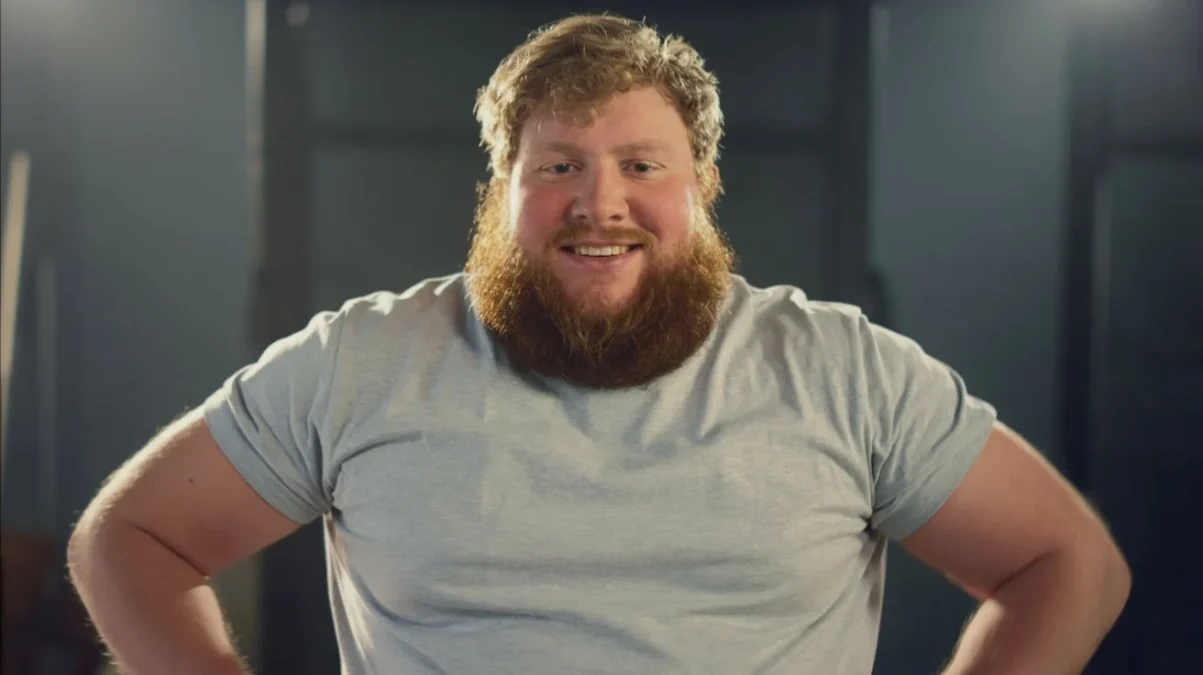

The Weight of Curiosity: Understanding the Question Behind “How Much Does Caseoh Weigh”
In the dynamic landscape of online entertainment and streaming culture, few questions generate as much whispered curiosity and open speculation as inquiries into the personal details of popular creators. One such query that frequently surfaces in community discussions and search engines is a seemingly straightforward one: how much does Caseoh weigh? This question, while simple on its surface, opens a complex dialogue about online culture, parasocial relationships, community boundaries, and the nature of fame in the digital age. It is a question born not from mere triviality, but from a multifaceted human instinct to understand, connect, and sometimes, to categorize.
This guide explains the broader context and implications of this pervasive question. We will move beyond the mere number to explore why such personal metrics capture public attention, the ethical considerations in discussing them, and what the fascination reveals about modern digital interaction. This resource helps readers navigate the conversation with nuance, separating harmless curiosity from potentially harmful discourse, and understanding the real person behind the online persona.
Deconstructing the Search: What People Are Really Asking
When someone types “how much does Caseoh weigh” into a search bar, the intent is rarely just a request for a numerical data point. That search query is a proxy for several deeper, often unspoken, questions and psychological drivers. Recognizing this is the first step toward a more informed and empathetic understanding of online fan culture.
For many, the question stems from a sense of parasocial familiarity. Viewers spend hours with creators like Caseoh, engaging with their content, listening to their stories, and sharing in their reactions. This can create an illusion of closeness, leading to a curiosity about personal details that one might ask of a friend. The inquiry into physical attributes becomes a flawed attempt to complete the mental picture of someone who feels known. Others may be asking from a place of concern, noting changes in appearance or energy and wondering about underlying health or well-being, albeit from a distance. Conversely, a segment of inquiries may originate from a less benign place, seeking fodder for criticism or mockery, using weight as a simplistic metric for judgment.
The digital environment amplifies this. Unlike traditional celebrities, streamers present a curated yet seemingly unfiltered version of their lives, often from their own homes. This breaks down formal barriers, making personal questions feel more permissible to some. Furthermore, in the highly visual and personality-driven world of content creation, a creator’s physical presence is part of their brand. Audiences naturally form observations, and weight—a visible and often discussed aspect of human physiology—becomes a point of reference, whether appropriate or not.
Key Takeaway: The search for a creator’s weight is typically a surface-level query masking deeper intents, ranging from parasocial connection and concern to, at times, negative scrutiny, all amplified by the intimate nature of streaming media.
The Streamer’s Persona and Public Perception
Caseoh, like many successful streamers, has cultivated a specific and engaging persona. His brand is built on charismatic commentary, engaging gameplay, and a relatable, often self-deprecating, sense of humor. Within this dynamic, any physical characteristic, including his build, can become intertwined with community in-jokes, memes, and the shared language of his audience. It’s crucial to distinguish between community-born humor that the creator participates in and external speculation that objectifies or crosses a line.
In practice, creators often navigate this by controlling the narrative. They may choose to address topics like weight, diet, or exercise on their own terms, turning potential scrutiny into relatable content or a point of personal storytelling. This transforms a subject of external curiosity into an element of their controlled self-expression. However, this is a choice, not an obligation. The decision to keep such details private is equally valid and represents a boundary between the public persona and the private individual.
The modern shift in user behavior shows a growing, albeit uneven, awareness of these boundaries. Communities are increasingly self-policing, with many fans calling out inappropriate lines of questioning and defending a creator’s right to privacy. This reflects an evolving understanding that the value of a content creator lies in their entertainment, insight, and community building—not in their physical statistics. The emphasis is gradually moving from “who they are” in a physical sense to “what they create” and “how they make us feel.”
Key Takeaway: A streamer’s physicality can become part of their community’s shared culture, but the line between participatory humor and invasive scrutiny is defined by the creator’s consent and the community’s respect for their privacy as an individual.
The Ethical Dimension: Privacy, Speculation, and Digital Respect
At its core, the persistent public speculation about a person’s weight engages significant ethical questions. Weight is a deeply personal health metric, influenced by genetics, metabolism, mental health, medical conditions, lifestyle, and a multitude of private factors. Publicly debating or demanding this information reduces a complex individual to a single, often stigmatized, physical trait.
From a hands-on perspective in managing online communities, such speculation can have tangible negative outcomes. It can contribute to a toxic environment, not only for the creator but for community members who may see their own bodies reflected in the criticism. It can also discourage creators from appearing on camera, limiting their content and connection with their audience. Furthermore, it sets a precedent that dissecting personal attributes is acceptable, which can spill over to other creators and users.
The practical solution lies in cultivating digital etiquette. This involves recognizing that access to a person’s digital output does not grant ownership over their personal data. It means valuing creators for their work and humanity rather than their adherence to arbitrary physical standards. For content consumers, this might mean pausing before engaging in speculation and considering the human on the other side of the screen. For communities, it involves promoting norms that celebrate content and character over appearance.
Key Takeaway: Persistent public speculation about weight infringes on personal privacy, can foster toxicity, and undermines the principle that a creator’s value is independent of their physical characteristics.
Health, Wellness, and the Public Eye
The question “how much does Caseoh weigh” sometimes intersects with broader, well-intentioned conversations about health and wellness in the streaming industry. Observers note the sedentary nature of long streaming hours, irregular sleep schedules, and the accessibility of quick, often unhealthy, meals. In this context, curiosity about weight can morph into concern for a creator’s long-term well-being.
However, expressing this concern through public speculation about weight is both ineffective and potentially harmful. Weight alone is a poor indicator of health. Two individuals with identical weights can have vastly different metabolic health, fitness levels, and nutritional status. Focusing on the number misses the nuanced reality of holistic wellness. Furthermore, public commentary, even if framed as concern, can exacerbate stress, shame, or anxiety for the individual, potentially counteracting any positive health goals.
A more constructive approach to supporting creator wellness is to advocate for healthier industry practices overall—encouraging regular breaks, movement integration, and access to nutritional resources. The conversation shifts from scrutinizing an individual’s body to discussing systemic factors that affect all creators. This aligns with evolving best practices in the industry, where platforms and networks are increasingly aware of their role in supporting sustainable careers that prioritize both mental and physical health.
Key Takeaway: While concern for creator wellness is valid, public weight speculation is a reductive and potentially damaging way to address the complex health challenges associated with the streaming lifestyle.
The Anatomy of an Internet Query: A Semantic and Cultural Breakdown
To fully grasp the phenomenon, we must expand our semantic field beyond the single keyword. The query “how much does Caseoh weigh” exists within a network of related searches, concepts, and cultural entities. Analyzing this network reveals the full scope of public interest and confusion.
Semantically Related Terms & Entities:
- Primary Entity: Caseoh (Content Creator, Streamer, Internet Personality).
- Attributes: Weight, height, body mass index (BMI), appearance, physique.
- Actions: Speculating, asking, estimating, discussing.
- Related Concepts: Gamer health, streaming lifestyle, diet of a streamer, exercise routines for creators, camera presence, online persona vs. real life.
- Long-Tail Variations: “What is Caseoh’s height and weight,” “Caseoh body stats,” “How tall is Caseoh,” “Caseoh workout routine,” “Is Caseoh trying to lose weight.”
This semantic map shows that the weight query is often part of a cluster seeking to define the creator’s physical identity. It connects to interests in lifestyle (“diet of a streamer”), performance (“camera presence”), and health (“gamer health”). Understanding this, a comprehensive resource must address not just the isolated question, but this entire constellation of related curiosity, providing context and redirecting focus toward more substantive topics.
Amina Hachimura: A Legacy of Character, Culture, and Global Identity
A Definition-Style Answer for Featured Snippet Eligibility:
The question “how much does Caseoh weigh” seeks a specific numerical value related to the popular streamer’s body mass. As a personal health metric, Caseoh’s exact weight is private information not publicly disclosed. In online discourse, such queries often reflect broader curiosity about a creator’s life, health, or appearance, highlighting the intersection of parasocial relationships and personal privacy in digital culture. The discussion underscores the importance of respecting boundaries between public persona and private individual.
Key Takeaway: The search for a creator’s weight is one node in a wider web of public interest in their physicality, lifestyle, and personal life, all of which must be navigated with respect for their autonomy and privacy.
The Role of Humor, Memes, and Community Lore
No analysis of this topic would be complete without addressing the role of humor. Internet culture is fundamentally meme-driven, and physical characteristics are frequent fodder for lighthearted, community-specific jokes. Caseoh’s community, like many others, may have developed memes or inside jokes related to his presence. The critical distinction lies in intent and consent.
Humor that is embraced and propagated by the creator themselves becomes part of their brand and shared community experience. It’s a collaborative narrative. However, humor initiated and sustained by outsiders without the creator’s engagement can feel mocking and othering. The difference is between laughing with someone and laughing at them.
A real-world example of this dynamic can be seen when creators sell merchandise that plays on these community jokes—like a witty phrase about “absolute unit” or “snack reviews.” This represents the creator reclaiming the narrative, transforming potential scrutiny into a shared, monetizable in-joke. It’s a savvy and practical way to control the conversation. Conversely, when speculation occurs in spaces disconnected from the creator’s community—such as unrelated forums or social media threads—it lacks this collaborative spirit and often trends toward negativity.
Key Takeaway: Community humor can integrate physical traits in a positive, consensual way, but this is distinct from external speculation, with the key differentiator being the creator’s active participation and control over the narrative.
Navigating Information Gaps and Misconceptions
A common content gap in discussions around this topic is the lack of clear, authoritative guidance on how to process the absence of information. Top-ranking pages may provide speculative answers or engage in the very discussion this article cautions against, failing to address the user’s underlying need for respectful engagement.
Common Misconceptions and Their Clarifications:
- Misconception 1: “If a person is on the internet, their personal details are public domain.”
- Clarification: Choosing a public career does not waive all rights to privacy. There is a vast difference between sharing curated content and being obligated to disclose personal health data.
- Misconception 2: “Asking about weight is just harmless curiosity.”
- Clarification: While curiosity is natural, public forums are not private conversations. Repeated public questioning creates an environment where such scrutiny is normalized, which can be harmful to the subject and others.
- Misconception 3: “Weight is a neutral fact, like hair color.”
- Clarification: In our current social context, weight is a highly loaded metric tied to self-esteem, health stigma, and discrimination. It is rarely a neutral topic.
Addressing these gaps means providing readers with the framework to satisfy their curiosity in a healthier way—perhaps by redirecting their interest toward the creator’s content milestones, charitable efforts, or community events.
Key Takeaway: Filling information gaps requires not providing speculative personal data, but instead offering the ethical framework and contextual understanding needed to navigate curiosity respectfully.
A Comparative Look at Creator Privacy Norms
The expectations around privacy vary across different creator tiers and platforms. Examining this spectrum helps contextualize the specific pressures on a streamer like Caseoh.
| Creator Tier/Platform | Typical Privacy Expectation | Common Public Scrutiny | Community Norms |
|---|---|---|---|
| Mega-Celebrity (Film/TV) | Highly managed; personal life separated by design. | Intense, via tabloids; weight is a frequent topic. | Distant; scrutiny is expected but often criticized. |
| Top-Tier Streamer (e.g., Caseoh) | Blurred line; personal life is part of content but boundaries asserted. | High and direct via chat, social media, forums. | Intimate but evolving; fans often defend privacy. |
| Mid-Tier Creator | More permeable; engagement often requires more personal sharing. | Moderate but can feel intense due to smaller scale. | Highly personal; scrutiny can be acutely felt. |
| Emerging Creator | Minimal; often share extensively to build connection. | Low volume but can come from anywhere. | Building; norms are still being established. |
This table illustrates that streamers occupy a unique and challenging middle ground. They lack the formal barriers of traditional celebrities yet command audiences large enough to generate relentless scrutiny. The practical insight here is that the pressure to disclose personal information is not evenly distributed, and the decision to set boundaries is a critical aspect of sustainable career management. As one industry commentator noted, “The currency of streaming is authenticity, but the cost is often presumed accessibility. The most successful creators are those who strategically define what parts of themselves are on the table for public consumption, and what parts remain definitively off-limits.”
Key Takeaway: Streamers navigate a uniquely challenging privacy landscape, sitting between the formal separation of traditional celebrities and the open sharing of smaller creators, making conscious boundary-setting essential.
From Curiosity to Constructive Engagement: Reframing the Fan Mindset
So, what is a constructive path forward for someone genuinely interested in a creator beyond their content? The energy behind the question “how much does Caseoh weigh” can be redirected into positive engagement that supports the creator and enriches the community experience.
Instead of focusing on physical attributes, consider engaging with:
- The Content Itself: Deep dive into their analysis, creative choices in gameplay, or commentary style.
- Community Projects: Participate in or support charity streams, community game nights, or creative fan projects.
- Merchandise and Direct Support: Purchasing official merch or subscribing is a direct, positive way to show appreciation that respects the creator’s work-product boundary.
- Respectful Social Interaction: Engaging with their posts on topics they choose to share, rather than introducing uninvited personal subjects.
This matters most when you feel that parasocial pull of curiosity. If you’re deciding between typing a personal question in chat or making a comment about the game being played, opt for the latter. It reinforces a healthier dynamic where the creator is valued as a professional entertainer and community leader first.
Key Takeaway: Fan energy is best channeled into supporting a creator’s work and community initiatives, building a positive ecosystem that values contribution over personal scrutiny.
The Evergreen Perspective: Why This Conversation Remains Relevant
This discussion is not tied to a fleeting moment. It is an evergreen issue at the heart of digital human interaction. As long as people create content and audiences form connections, the tension between curiosity and privacy will exist. The specific keyword may change, but the underlying dynamic will persist.
The modern shift is toward greater collective awareness. Audiences are becoming more media-literate, understanding the psychological mechanisms of parasocial relationships and the human impact of online dogpiling. Platforms are slowly implementing better moderation tools. Creators are more openly discussing mental health and setting boundaries. The conversation around “how much does Caseoh weigh” is a microcosm of this larger, ongoing evolution in digital ethics.
To keep this perspective current, one must monitor the changing language of community guidelines, the evolving tone of audience interactions, and the ways in which creators themselves guide their communities. It is a living dialogue, not a settled fact.
Key Takeaway: The ethics of public curiosity about creators’ personal lives is a perennial topic that evolves alongside digital culture, requiring ongoing nuance and empathy.
Actionable Checklist for Responsible Digital Consumption
Before we conclude, here is a concise checklist summarizing the key insights for anyone navigating online fan spaces:
- Pause Before You Post: Ask yourself if your question or comment about a creator’s appearance would be appropriate in a face-to-face professional setting.
- Separate Persona from Person: Consciously appreciate the crafted entertainment while respecting the individual’s separate, private life.
- Redirect Curiosity: Channel interest into the creator’s content, community events, or official support channels.
- Challenge Misconceptions: Gently correct others who treat personal details as public property, promoting healthier community norms.
- Prioritize Holistic Health Discourse: If concerned about creator wellness, advocate for positive industry-wide practices, not personal scrutiny.
- Respect the Boundary of Silence: Understand that a creator not addressing a topic is a clear answer in itself.
Conclusion: The Weight of Our Words
The journey from the simple query “how much does Caseoh weigh” leads us through the complex terrain of modern fame, digital intimacy, ethics, and respect. The number itself is irrelevant and, rightfully, private. The true value of exploring this question lies in the lessons it teaches us about being a better audience, a more empathetic community member, and a more conscious consumer of digital media.
Caseoh’s significance, and that of any creator, is measured not in pounds or kilograms, but in hours of entertainment provided, in communities built, in charities supported, and in the positive impact they have on their viewers. Our focus on these metrics—the true metrics of value—elevates the discourse and fosters a digital world that is both engaging and humane. By shifting our attention from a person’s physical weight to the weight of their contributions, we participate in building a more respectful and sustainable online ecosystem for everyone.
Frequently Asked Questions (FAQ)
Why do so many people want to know how much Caseoh weighs?
The curiosity stems from a mix of parasocial familiarity (feeling like they know him), concern for his health given the sedentary streaming lifestyle, and, for some, a desire to use physical attributes as a point of discussion or criticism. The intimate nature of streaming makes such personal questions feel more permissible to a portion of the audience.
Has Caseoh ever publicly shared his weight?
No, Caseoh has not publicly disclosed his exact weight, and it is not a topic he focuses on in his content. Like many personal health metrics, he maintains his right to keep that information private, which is a reasonable and common boundary for public figures to set.
Is it wrong to be curious about a streamer’s appearance?
Natural curiosity is human, but it’s important to manage how we act on it. Publicly speculating or demanding personal information crosses a line from curiosity into intrusion. It’s more constructive to direct that interest towards their creative work, personality, and community role.
How can I support a creator’s health without being invasive?
Support systemic wellness by encouraging healthy streaming practices in general—like taking breaks, staying hydrated, and maintaining ergonomic setups. Support the creator directly by engaging positively with content they choose to share about their life, rather than introducing uninvited health topics. The most direct support is through official channels like subscriptions or merch, which help ensure their career is sustainable.
What should I do if I see others speculating about a creator’s weight online?
Consider promoting a more respectful dialogue. You can politely note that such speculation is personal and potentially harmful, and redirect the conversation to the creator’s content or achievements. Helping to establish and uphold community norms that value the person over their physique contributes to a healthier environment for both creators and fans.