

Beyond Paradise Filming Guide: Exploring the Real Locations of the Hit Series
For fans charmed by the sun-dappled coastline, the bustling harbour, and the quaint community spirit of Beyond Paradise, a pressing question naturally arises: where is Beyond Paradise filmed? The fictional town of Shipton Abbott, with its picturesque charm and West Country vibe, feels so tangible that viewers are compelled to seek out its real-world counterpart. This guide explains the intricate filming process behind the series, moving beyond simple location names to provide a comprehensive, expert-level exploration of the actual places, the logistical artistry involved, and how the production crafts a seamless, believable world from multiple geographical points. This resource helps readers satisfy their curiosity, plan potential visits, and deeply appreciate the location-scouting genius that turns real landscapes into television’s most inviting coastal haven.
Understanding the Search for Shipton Abbott
When audiences fall in love with a fictional setting, the desire to locate it in our world is a powerful driver of exploration. The search for where Beyond Paradise is filmed stems from more than casual interest; it represents a deeper engagement with the narrative. Viewers aren’t just looking for a map pin. They seek to understand the atmosphere, to walk the same cobbled streets as DI Humphrey Goodman, and to experience the unique blend of community and coastline that defines the show’s aesthetic. This intent is both informational and deeply practical, often leading to travel planning or local tourism interest.
A common problem for fans is the discovery that Shipton Abbott is not a single, findable town. This can lead to confusion or a sense of missing out. Furthermore, understanding how a patchwork of locations is woven into a cohesive whole requires insight into filmmaking logistics seldom covered in surface-level articles. Lastly, visitors hoping to experience these places respectfully often lack guidance on how to engage with local communities without disrupting the very charm they’ve come to see. This guide addresses these gaps directly, offering clarity, depth, and respectful context for the most devoted location hunters.
The Heart of the Series: Southwest England’s Cinematic Coast
At its core, the answer to where Beyond Paradise is filmed is the stunning coastline of Southwest England, primarily across the counties of Devon and Cornwall. The production deliberately draws upon the region’s rich visual language—its rugged cliffs, historic fishing ports, and vibrant floral displays—to establish Shipton Abbott’s identity. This isn’t a generic coastal backdrop; it’s a specific celebration of the West Country’s character, which imbues the series with an authentic sense of place that studio sets could never replicate.
The choice of this region is a strategic masterstroke. The Southwest offers a compelling mix of working harbours and pristine vistas, allowing the narrative to toggle between the grit of a police procedural and the idyllic beauty of a life reboot. From a practical perspective, the area boasts a strong infrastructure for film and television production, with skilled local crews and a history of accommodating major projects. Historically, the region has been a muse for artists and writers for centuries, its light and landscape famously captivating. The modern production leverages this legacy, using contemporary filming techniques to capture the timeless appeal that makes the setting a character in its own right.
Defining the Filming Hub:
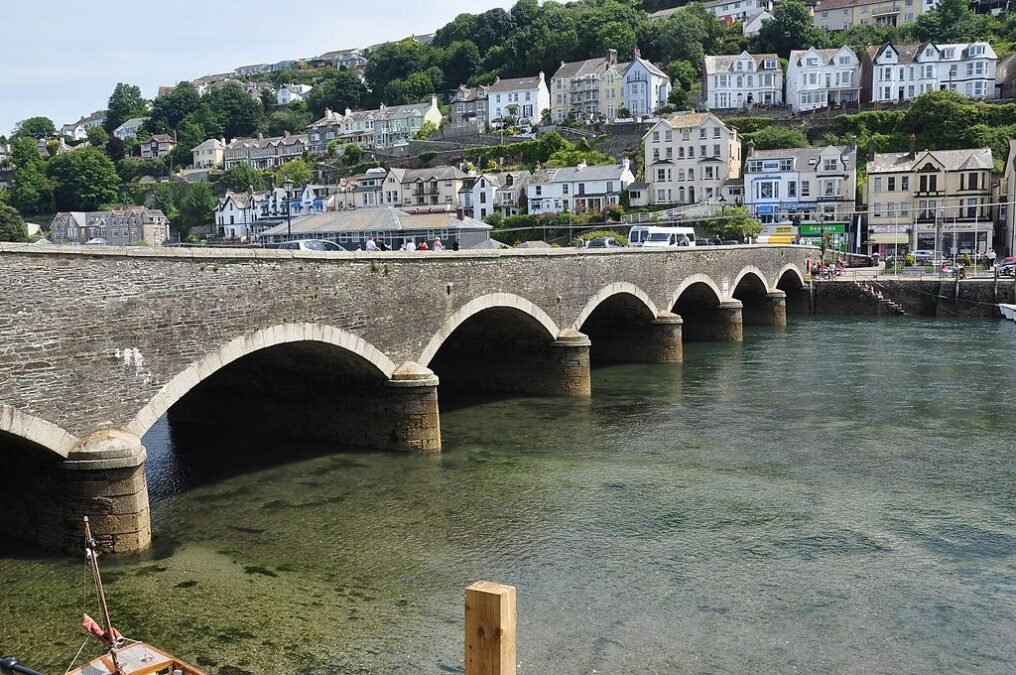
Beyond Paradise is primarily filmed on location in the historic town of Looe in Cornwall, which serves as the central visual foundation for the fictional Shipton Abbott. The production utilizes the town’s distinctive twin harbours, steep streets, and independent shops to create the show’s bustling heart. Additional key filming occurs across Devon, including the towns of Plymouth and Kingsbridge, with specific landmarks and countryside spots selected to build out the world of Shipton Abbott and its surrounding areas, creating a composite but utterly believable coastal community.
Looe, Cornwall: The Beating Heart of Shipton Abbott
If one location must be crowned the primary stand-in for Shipton Abbott, it is the beautiful and bustling fishing town of Looe in southeast Cornwall. A visit to Looe is the closest one can get to stepping onto the set. The show’s production team was drawn to Looe’s quintessential Cornish charm, its operational harbour filled with fishing boats, and its labyrinth of narrow, characterful streets that climb the hillside from the water’s edge. This isn’t a sanitized film set; it’s a living, breathing town, and that energy translates directly to the screen.
Key landmarks are instantly recognizable. The iconic Banjo Pier, which stretches into the mouth of the River Looe, features prominently in establishing shots and scenes of characters in contemplation. The police station exterior, a crucial set piece, is filmed at a distinctive building on Higher Market Street, its pale blue door becoming a familiar sight. Scenes set in “Shipton Abbott’s” town centre often utilise Fore Street and the Buller Street area, where the mix of bakeries, fishmongers, and boutiques perfectly sells the illusion of a close-knit community. In practice, filming here requires meticulous coordination with local businesses and residents, a testament to the positive relationship between the production and the town.
Consider exploring the interconnected nature of these filming hubs to understand how a single narrative sequence might leap geographically while maintaining visual consistency.
The Wider World: Key Filming Locations Across Devon and Cornwall
While Looe provides the urban core, the world of Beyond Paradise expands significantly through strategic filming in neighbouring Devon. The city of Plymouth plays a surprisingly versatile role. Its grandiose civic architecture, like the Plymouth Guildhall, has been used for interior shots requiring a more formal or institutional feel. Furthermore, the Natural History Museum in Plymouth’s city centre was transformed into the setting for a pivotal episode involving a stolen meteorite, showcasing how the production repurposes real cultural venues.
Venturing into the South Hams area of Devon, the town of Kingsbridge and its iconic estuary provide the serene, watery backdrop for many of the show’s more reflective moments. The tranquil waters and lush green banks offer a visual contrast to the busier harbour scenes in Looe. Additionally, the charming market town of Tavistock on the edge of Dartmoor has been used for its distinctive Pannier Market and granite buildings, which can sub in for Shipton Abbott’s commercial scenes when a different architectural tone is needed. This multi-county approach gives the producers a vast palette of looks, all within a manageable geographic radius for cast and crew.
The Composite Town Phenomenon:
The fictional town of Shipton Abbott is a composite, meticulously constructed from the best features of several real locations in Devon and Cornwall. This filmmaking technique allows the creators to build an idealized, narratively functional setting that doesn’t rely on the limitations of a single place. Looe provides the harbour and dense street scenes, Plymouth offers grand interiors, and the South Hams contributes sweeping estuary views, all edited together to form a seamless, believable world that feels both familiar and uniquely crafted for the story.
Behind the Scenes: The Logistics of Location Filming
The seamless illusion of Shipton Abbott is a triumph of logistical planning and community collaboration. Understanding where Beyond Paradise is filmed is only half the story; appreciating how it’s filmed reveals the immense effort involved. A location manager’s role is paramount, involving not just scouting for visual perfection but also negotiating with local councils, businesses, and residents for filming rights, managing parking and crowd control, and ensuring minimal disruption to daily life. A single day of filming on a narrow street like those in Looe requires military precision.
From a technical perspective, the crew often employs clever techniques to maintain continuity. You might see a character exit the “police station” in Looe and cut to them walking along the harbour in Kingsbridge, with matched lighting and weather conditions making the geographical jump invisible. Practical challenges are constant: the famously changeable West Country weather can switch from sunshine to rain in minutes, requiring flexible scheduling and sometimes the use of large diffusers or lighting rigs to maintain consistent light. The sound team, meanwhile, works overtime to minimize ambient noise from seagulls, boats, and tourists, ensuring dialogue remains crisp. Commonly seen in real projects of this scale, this dance between creative ambition and practical constraint is where the magic is forged.
This matters most when considering why a production chooses a composite town over a single location; it’s about narrative flexibility and achieving a specific, controlled aesthetic that serves the story.
Visiting the Filming Locations: A Practical Guide for Fans
For fans inspired to visit the real-world settings of their favourite show, a thoughtful and prepared approach is essential. The primary intent should be to experience these wonderful towns as they are—living communities—with the filming locations as a fascinating bonus. Start in Looe: take a walk along Banjo Pier, explore Fore Street, and find the pale blue door on Higher Market Street. The town is accustomed to visitors, and many local businesses will happily point out their moment in the spotlight. Consider visiting outside peak summer months for a quieter experience closer to the show’s often serene atmosphere.
A suggested itinerary could span a few days, allowing you to absorb the distinct character of each area. From Looe, travel to Kingsbridge to enjoy a boat trip on the tranquil estuary, then head to Plymouth for its maritime history and to spot the civic buildings used in the show. If you’re deciding between a rushed tour or a relaxed stay, opt for the latter. The charm of these places reveals itself slowly. Remember that private residences and some business interiors are exactly that—private. Always observe from public rights of way, respect any signage, and support local economies by patronising cafes and shops.
A key takeaway for potential visitors is that the magic of the locations is preserved through respect and low-impact tourism, allowing the authentic character that attracted the filmmakers to endure.
The Aesthetic and Architecture of Shipton Abbott
The visual appeal of Beyond Paradise is no accident; it’s a carefully curated aesthetic that draws deeply from the vernacular architecture and natural palette of Southwest England. The production design team studies the real locations to create a cohesive look. The colour scheme is drawn from the environment: the deep blues and greens of the sea and countryside, the sandy yellows of the beaches, the grey of coastal slate, and the vibrant pastels often seen on harbourfront buildings. This creates a sense that Shipton Abbott grows organically from its landscape.
Architecturally, the show favours a mix of historic and quaintly modern. You’ll see traditional Cornish granite cottages with thick walls and small windows, alongside Georgian and Victorian townhouses with more elegant proportions. Humphrey’s police station, with its solid, unassuming facade, reflects a practical, municipal style. This blend avoids a theme-park perfection, instead presenting a town with layers of history, much like the real Looe or Tavistock. The interior sets, built at a studio, are then designed to match this external logic, with props, textures, and colours that feel sourced from local artisans and antique shops, completing the immersive illusion.
Beyond the Towns: Countryside and Coastal Beauty Spots
The beauty of where Beyond Paradise is filmed extends far beyond town limits. The series frequently showcases the breathtaking countryside and coastline that surrounds Shipton Abbott, reinforcing the theme of paradise found. Scenes of characters driving to incidents or simply enjoying a moment of peace are often shot along the winding country lanes of the South Hams, where hedgerows burst with wildflowers and rolling hills offer panoramic views to the sea.
Specific coastal beauty spots are selected for their dramatic impact. Cliffs overlooking the Atlantic, secluded coves accessible only by footpath, and expansive sandy beaches all play their part. These locations, while sometimes unnamed in the show, are often recognizable to locals as beloved spots along the South West Coast Path. Filming in these protected natural areas comes with stringent responsibilities to avoid ecological damage, a challenge the production takes seriously. The result is some of the show’s most visually stunning sequences, which serve not just as backdrop but as a visual representation of the peace and natural splendor Humphrey and Martha sought when they left London.
Readers often benefit from understanding that these rural shots are integral to the show’s identity, offering a visual respite and grounding the narrative in a tangible, beautiful reality.
The Economic and Cultural Impact of Filming
The decision to film Beyond Paradise across Devon and Cornwall has a significant ripple effect on the local economy and culture. The production employs hundreds of local crew members, from carpenters and electricians to drivers and caterers, injecting substantial funds into the regional creative industry. Local businesses, including hotels, restaurants, and equipment hire companies, see a direct boost during filming blocks. This is a soft commercial benefit that extends the value of the production far beyond the screen.
Culturally, the impact is more nuanced. There’s a palpable sense of pride when residents see their hometown on a beloved national television show. It validates the unique charm of these places. However, it also brings increased tourism, which is a double-edged sword. While beneficial economically, it can lead to pressures on infrastructure and changes in community dynamics. The most successful filming locations, like Looe, manage this by integrating the production as a temporary, respectful partner. The show, in turn, benefits from an authenticity that can only come from a positive, symbiotic relationship with its settings. This mutual respect is crucial for the long-term sustainability of using real communities as film sets.
Comparing Filming Locations: A Tactical Overview
The table below breaks down the primary filming locations, their specific contributions to the show’s aesthetic, and the practical narrative functions they serve. This structured insight helps clarify the “composite town” strategy.
| Real Location | County | Primary Function in Shipton Abbott | Key Recognizable Features | Narrative Tone Provided |
|---|---|---|---|---|
| Looe | Cornwall | The town centre, harbour, and police station exterior. | Banjo Pier, Higher Market Street, Fore Street, twin harbours. | Bustling, community-focused, working harbour life. The heart of daily activity. |
| Plymouth | Devon | Institutional interiors, civic buildings, specific episode locations. | Plymouth Guildhall, The Natural History Museum. | Formal, historical, or culturally significant settings. Used for scale and grandeur. |
| Kingsbridge | Devon | Estuary views, serene waterfront scenes, countryside lanes. | Kingsbridge Estuary, surrounding waterways and hills. | Tranquil, reflective, picturesque. Represents the peaceful “paradise” aspect. |
| Tavistock | Devon | Market town scenes, alternative commercial streets. | Tavistock Pannier Market, granite-built town centre. | Rustic, inland market town charm. Adds variety to the commercial landscape. |
Navigating Common Misconceptions and Limitations
A prevalent misconception is that you can visit a singular, complete “Shipton Abbott.” Disappointment can set in when visitors to Looe don’t find every shop or lane exactly as seen on screen. It’s vital to understand that filmmaking is an art of illusion. A shop front in Looe might be used for one scene, while the interior is a set built miles away. The geography is compressed and rearranged for narrative pacing.
Another limitation concerns access. Some of the most beautiful coastal spots are on private land or protected National Trust areas where commercial filming has special permission that does not extend to general public access in the same way. Furthermore, the show’s idyllic portrayal is a crafted narrative vision; real towns face the same modern challenges as any other, from seasonal pressures to economic shifts. The series presents a heightened, romanticised version, which is part of its appeal but should be balanced with respect for the complex reality of these communities. Recognizing these trade-offs between cinematic fantasy and real-world locality leads to a more informed and appreciative engagement with both the show and the places that inspire it.
An expert quote from a location manager on a similar production encapsulates the challenge: “Our job is to find truth in a place, then gently reshape it into the truth of the story. The best locations have a spirit we can collaborate with, not just a view we can borrow.”
The Evolution of Location Scouting in Television
The approach to where Beyond Paradise is filmed reflects broader shifts in television production. There’s a growing audience appetite for authenticity and specificity in settings. The era of generic backlots standing in for anywhere is fading, replaced by a demand for real textures, genuine history, and local character. This is driven by higher definition cinematography, more discerning viewers, and the desire for shows to offer a deep sense of “place” as part of their identity.
Modern location scouting leverages digital tools like satellite imagery and detailed location databases, but the irreplaceable element remains the scout’s boots on the ground, feeling the atmosphere of a potential site. The trend is towards longer-term partnerships with regions, as seen with Beyond Paradise in the Southwest, which can lead to spin-off benefits like location tours and sustained tourism. From a user-behavior perspective, audiences are now active participants, using shows like this as travel inspiration and engaging in detailed online discussion about filming spots, a form of fan engagement that productions are increasingly aware of and sometimes cater to through official releases or social media hints.
A Real-World Case: The “Shipton Abbott Summer Fête”
To illustrate the composite process, consider an episode featuring a classic British summer fête. The establishing wide shot, showing tents and stalls against a harbour backdrop, was likely filmed on the edge of the quay in Looe. A subsequent scene of characters browsing artisan crafts might have been shot in Tavistock’s Pannier Market, its covered architecture ideal for controlling light and sound. Meanwhile, a quiet conversation between two characters wandering away from the crowds could be filmed on a footpath along the Kingsbridge Estuary, miles away.
In the edit suite, these disparate shots are woven together with careful attention to continuity of costume, lighting direction, and ambient sound. The result feels like a single, bustling event taking place in one town. This case-style insight demonstrates the hands-on, practical understanding required to build a believable world. It’s a logistical puzzle where every piece must fit perfectly to sustain the illusion, showcasing the collaborative artistry of the director, cinematographer, location manager, and editor.
Actionable Checklist for the Ultimate Location Enthusiast
Before you set off to explore the world of Shipton Abbott, use this checklist to maximize your experience and ensure a respectful, insightful visit.
- Research the Composite: Accept that Shipton Abbott is a blend. Map out the key real towns—Looe, Plymouth, Kingsbridge, Tavistock.
- Prioritize Respect: Remember locations are homes and businesses. Observe from public paths, don’t block access, and be discreet with photography.
- Visit Off-Peak: Experience the towns more as they appear on screen by avoiding school holidays and summer weekends for a quieter vibe.
- Engage Locally: Support the economy. Ask politely in shops or cafes about the filming; many have stories to share.
- Explore the Region: Don’t just hunt for specific film spots. Walk a section of the South West Coast Path, enjoy a cream tea, absorb the general atmosphere that attracted the filmmakers.
- Manage Expectations: You won’t see film crews or sets. The magic is in recognizing the raw ingredients, not expecting a permanent film set.
- Check for Updates: Production schedules change. Follow local community news pages for occasional hints about current filming, but never intrude on an active set.
Conclusion: Where Beyond Paradise is filmed
Ultimately, discovering where Beyond Paradise is filmed is a journey into the art of cinematic world-building. It’s an exploration that reveals how the authentic charm of Southwest England’s coastline is harnessed, curated, and lovingly stitched together to create the welcoming fiction of Shipton Abbott. This knowledge enriches the viewing experience, allowing fans to appreciate not just the story and characters, but the profound role of setting as a narrative force. From the practical logistics in Looe to the serene beauty of the Kingsbridge Estuary, each location is a carefully chosen brushstroke in a larger portrait of coastal life. By visiting with respect and understanding, fans can connect with the real-world paradise that continues to inspire one of television’s most heartwarming shows.
Frequently Asked Questions
Is Shipton Abbott a real place I can visit?
No, Shipton Abbott is a fictional town created for Beyond Paradise. However, its on-screen representation is a composite filmed primarily in the very real towns of Looe in Cornwall, and Plymouth, Kingsbridge, and Tavistock in Devon. Visiting these locations will give you the authentic experience of the landscapes and architecture that form the show’s setting.
Can I see the actual Beyond Paradise police station?
The exterior of the Shipton Abbott police station is filmed at a specific building on Higher Market Street in Looe, Cornwall. It’s a private property, so you can view and photograph it from the public street, but it is not a functional station you can enter. The interior scenes are filmed on a soundstage.
Why does the show use so many different filming locations?
Using multiple locations is a standard filmmaking technique to build a composite town. It allows the creators to select the best possible visual for each scene—a harbour from one town, a market from another, countryside from a third—crafting an idealized, narratively flexible setting that wouldn’t be possible using just one place.
Are there official tours of the Beyond Paradise filming locations?
As of now, there are no official guided tours specifically for Beyond Paradise. However, the towns used are popular tourist destinations with well-marked paths and information. You can easily create a self-guided tour using online resources and local knowledge from visitor centres.
How can I find out exactly where a specific scene was filmed?
Precise scene-by-scene details are rarely officially released to protect locations and avoid disruptive tourism. Your best resources are keen-eyed fan communities online, local news articles that sometimes report on filming, and your own detective work by comparing screenshots from the show with photos of the key towns mentioned.