
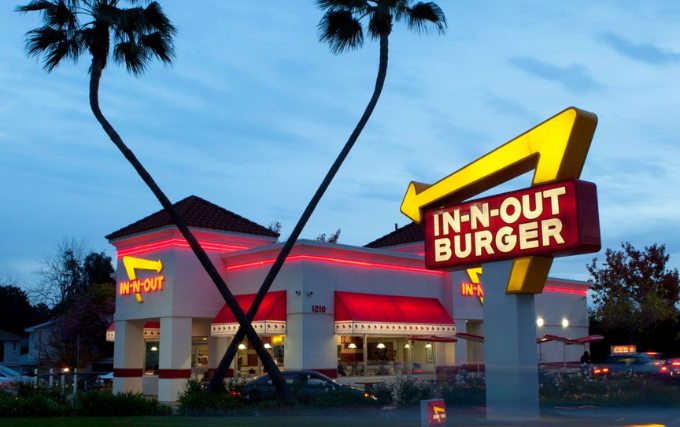

The allure of iconic Hollywood fast food is more than just a matter of taste—it’s a cultural symbol that has captured the imaginations of millions worldwide. From neon-lit diners to famous burger chains immortalized on the silver screen, fast food in Hollywood represents a unique fusion of convenience, entertainment, and lifestyle. This phenomenon isn’t just about eating; it’s about experiencing a piece of cinematic history, whether through a burger seen in a classic film or a milkshake famously slurped by a leading star. Understanding this cultural interplay provides insight into how fast food and Hollywood have mutually shaped each other’s identity over decades.
The growth of fast food as an integral part of Hollywood culture is rooted in the post-war era when the rise of car culture and suburban life encouraged quick dining options. As movies and television increasingly showcased these eateries, they became symbols of the American dream and a marker of social trends. The combination of affordability, convenience, and cinematic exposure turned fast food into an emblem of cultural aspiration. Today, iconic Hollywood fast food continues to influence consumer habits, social media trends, and even global culinary preferences, cementing its role as a cultural phenomenon.
The Origins of Iconic Hollywood Fast Food
The story of iconic Hollywood fast food begins in the early 20th century when roadside diners and soda fountains offered quick, affordable meals to travelers and locals alike. These establishments became a staple in Hollywood films, portraying a lifestyle that was aspirational yet accessible. Fast food chains such as McDonald’s and In-N-Out capitalized on this cultural visibility, using branding, distinctive logos, and celebrity endorsements to cement themselves in public consciousness. The interplay between Hollywood exposure and fast food marketing created a feedback loop, where on-screen appearances drove off-screen demand.
Moreover, fast food in Hollywood was not just a dining choice—it became a narrative device. Movies often used these eateries to depict everyday life, romance, or rebellion, giving audiences relatable contexts in which food symbolized character and story development. The rise of television further amplified this effect, introducing audiences to recurring fast food imagery that transcended regional boundaries. As a result, iconic Hollywood fast food evolved from a simple meal into a cultural landmark, connecting generations through shared culinary experiences and cinematic nostalgia.
The Impact of Celebrities on Fast Food Popularity
Celebrity influence has played a pivotal role in turning ordinary fast food into cultural icons. When Hollywood stars were photographed enjoying burgers, fries, or milkshakes, their choices quickly became aspirational trends. Media coverage and product placements amplified this effect, positioning these eateries as destinations not just for food, but for a taste of celebrity lifestyle. Over time, chains like Johnny Rockets or Shake Shack became synonymous with the glamour and accessibility of Hollywood, blending star power with culinary appeal.
Furthermore, celebrity-endorsed collaborations have elevated fast food beyond a mere snack, transforming it into collectible experiences. Limited-edition menu items inspired by movies or famous actors often generate significant buzz and media attention. The phenomenon underscores how iconic Hollywood fast food functions as both a social connector and a marketing tool. Fans flock not only for the flavors but also for the symbolic connection to pop culture, demonstrating the intricate relationship between fame, film, and fast food consumption.
Movie Appearances That Cemented Fast Food Icons
Certain movies have immortalized specific fast food items, embedding them in Hollywood lore. From the classic diner scenes in Pulp Fiction to the indulgent burger sequences in Goodfellas, films have used fast food to evoke nostalgia, tension, and humor. These portrayals do more than entertain—they influence audience perceptions and elevate everyday meals to legendary status. The resulting consumer fascination often leads to increased foot traffic at the featured restaurants, turning cinematic moments into real-world culinary pilgrimages.
Beyond individual films, franchises have strategically used fast food to reach global audiences. Animated features and teen comedies frequently include fast food brands to create a sense of realism and relatability. This consistent exposure reinforces brand recognition and positions iconic Hollywood fast food as an inseparable element of American storytelling. By aligning visual media with gastronomic culture, Hollywood ensures that certain meals are remembered not just for taste, but for their role in defining cinematic moments.
The Role of Social Media in Fast Food Fame
In the digital age, social media has accelerated the cultural impact of iconic Hollywood fast food. Platforms like Instagram, TikTok, and YouTube turn dining experiences into shareable content, where visually appealing burgers, fries, and shakes go viral. Influencers and celebrities continue the tradition of connecting food with status, encouraging followers to emulate their experiences. These online trends often spark global attention, turning local eateries into international destinations overnight.
Social media also provides a platform for storytelling, allowing fans to explore the history, uniqueness, and hidden gems of fast food culture. Behind-the-scenes insights, throwback references, and food challenges create layers of engagement that traditional marketing cannot replicate. As a result, iconic Hollywood fast food thrives not only on taste but also on narrative, aesthetics, and community, proving that modern culinary phenomena are as much about visual culture as they are about flavor.
Globalization and the Spread of Hollywood Fast Food Culture
Hollywood’s influence has helped export American fast food culture worldwide. Chains like McDonald’s, KFC, and In-N-Out have become international symbols of Americana, often replicating their Hollywood imagery to attract global customers. Movies, TV shows, and social media further promote these brands, making them aspirational markers of Western lifestyle and entertainment. The fusion of cinematic glamor and fast food accessibility appeals to international audiences seeking a taste of Hollywood culture.
The global spread also sparks local adaptations, where regional flavors and customs blend with classic Hollywood fast food concepts. For instance, specialty burgers or unique menu items inspired by movies cater to local tastes while maintaining the original brand’s identity. This cultural hybridization illustrates the dual role of iconic Hollywood fast food: it’s both a global phenomenon and a flexible cultural canvas. Its influence transcends borders, making it a vital part of global pop culture.
The Psychological Appeal of Hollywood Fast Food
The enduring popularity of iconic Hollywood fast food is deeply psychological. Humans are drawn to nostalgia, convenience, and visual storytelling—all elements Hollywood fast food encapsulates. Eating at a famous diner or ordering a movie-featured burger can evoke memories, emotions, and a sense of belonging. Fast food becomes more than sustenance; it’s a symbol of identity, comfort, and connection to cultural narratives.
Moreover, the sensory appeal of these foods—bright packaging, enticing aromas, and indulgent flavors—triggers dopamine responses that reinforce positive associations. Pairing these experiences with cinematic or celebrity references amplifies the emotional resonance. Consequently, iconic Hollywood fast food functions as both a gustatory delight and a cultural touchstone, offering audiences a multi-layered engagement that goes beyond ordinary dining.
The Future of Hollywood Fast Food Culture
The trajectory of iconic Hollywood fast food suggests continued innovation and cultural relevance. Emerging trends such as plant-based options, limited-edition collaborations, and experiential pop-up restaurants demonstrate the industry’s adaptability. Hollywood will likely continue to use fast food as a narrative tool, integrating it into movies, series, and digital content to maintain its cultural significance. The blending of culinary creativity with entertainment ensures that fast food remains a dynamic and evolving phenomenon.
In addition, the rise of immersive experiences—like movie-themed diners or augmented reality menus—could redefine how audiences interact with Hollywood fast food. These experiences combine technology, taste, and storytelling, creating deeper engagement and brand loyalty. As a cultural force, iconic Hollywood fast food is set to remain a symbol of nostalgia, innovation, and shared enjoyment, bridging generations and geographies with every burger, shake, and fry.
FAQs
Q: What makes fast food “iconic” in Hollywood culture?
A: Iconic fast food is often featured in films, associated with celebrities, and culturally recognized as part of the Hollywood lifestyle. Its legacy stems from visibility, storytelling, and brand resonance.
Q: Which Hollywood fast food items are most famous?
A: Burgers, fries, milkshakes, and specialty diner items have become iconic, often immortalized in classic movies or TV shows.
Q: How has social media influenced Hollywood fast food trends?
A: Social media amplifies visual appeal, celebrity endorsements, and user-generated content, turning local favorites into global phenomena.
Q: Can Hollywood fast food influence international cuisine?
A: Yes. Hollywood fast food has inspired global adaptations, integrating local flavors while maintaining the cultural symbolism of American cinema.
Q: What is the future of iconic Hollywood fast food?
A: Innovations like themed pop-ups, plant-based menus, and interactive experiences will continue to evolve its cultural and culinary significance.
Conclusion
The rise of iconic Hollywood fast food illustrates how cuisine, cinema, and celebrity culture intertwine to create lasting social phenomena. Far beyond mere meals, these foods carry narratives, memories, and symbolic meaning that resonate across generations. From roadside diners to global franchises, Hollywood has transformed fast food into a cultural icon that defines both American identity and international perception of pop culture.
Ultimately, Hollywood fast food exemplifies the power of storytelling through everyday experiences. Each burger, fry, or milkshake represents a chapter in cinematic history, a connection to celebrity, and a touchstone for shared culture. As long as audiences seek comfort, nostalgia, and entertainment, iconic Hollywood fast food will continue to thrive—reminding us that food is never just about sustenance; it is about culture, connection, and celebration.


